- Simulation
- Sci-Fi
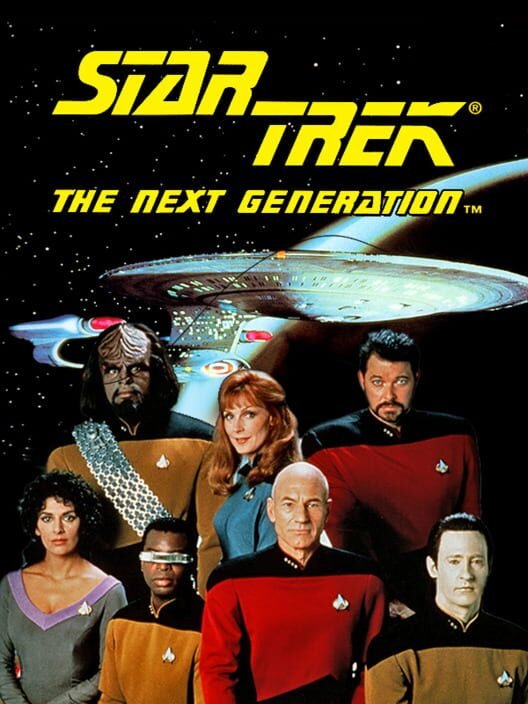
Star Trek: The Next Generation
1993 · Absolute Entertainment
SeriesPart of Star Trek · 25 gamesNES
User score
—
Be one of the first to rate it. Use the slider on the right.
Critics
76/100
Average of 7 critic reviews
About this game
A large spaceship simulation.
What is it, in plain English?
Star Trek: The Next Generation is a spaceship simulation based on the television series. You command the Enterprise, probe worlds and face enemy ships. The view is from the side, and the game is played alone.
Ongoing · no fixed lengthSingle-player
About this text
Written by Consolyte for newcomers, not the publisher’s description. The take is our opinion, separate from critic and community scores. Hours are estimates.
Trailers & screenshots
Tags
Reviews
76average of 7 critic reviews
- Next Generation3/5
- Computer Gaming World4/5
- Computer Game Review91/93/90
- MacUser2.5/5
- CD Player7/10
Scores as listed in the game's review table on Wikipedia.
Reviews elsewhere
Tips, spoilers and general chat about Star Trek: The Next Generation
- Got a tip, a theory or a hot take? .
Demo threads and replies until accounts are live. Yours are saved on this device. Community
Background
Star Trek: The Next Generation came out in 1993 for NES. It was made by Absolute Entertainment, and published by Playtronic. The game offers single-player play.
The Nintendo Entertainment System (the Famicom in Japan) launched in Japan in 1983 and in North America in 1985. It rebuilt the home console market after the video game crash of 1983. In our catalogue there are 13 NES games from 1993, out of 413 games released that year across all platforms. That puts it in the 16-bit Wars era (1990–1994).
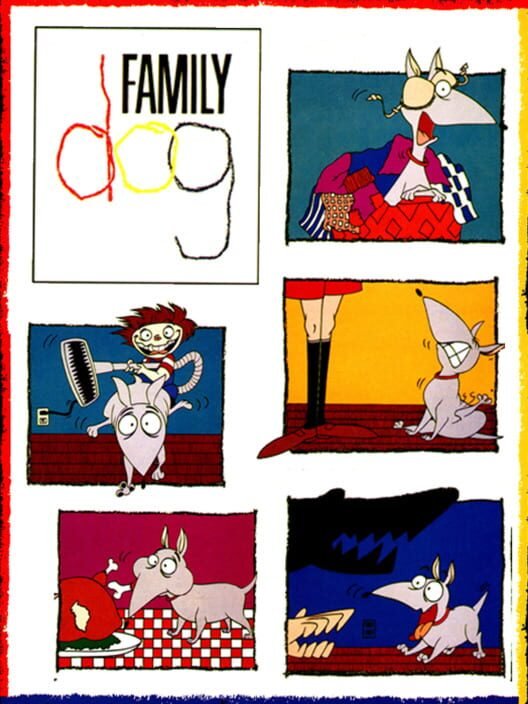
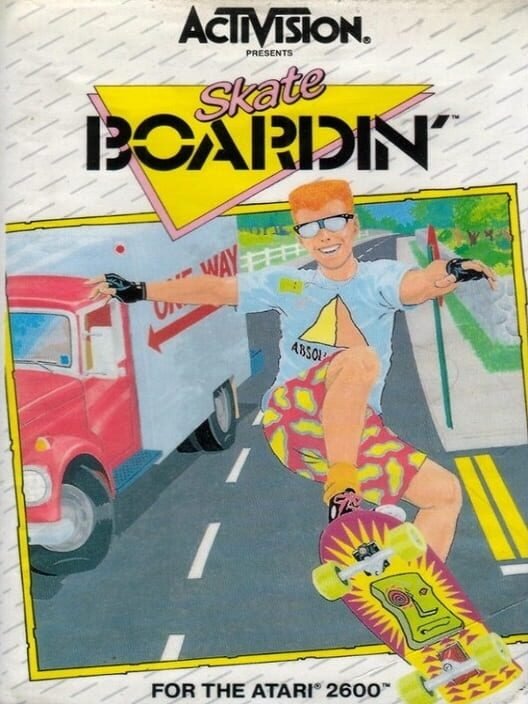
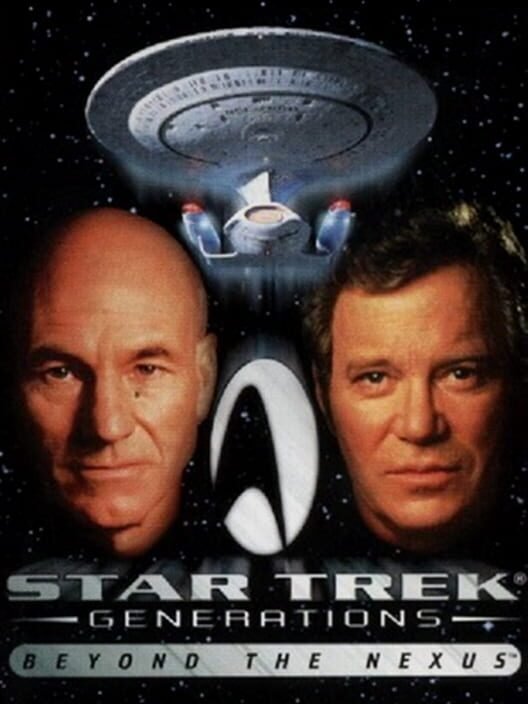
Absolute Entertainment has 4 other games in the catalogue, spanning 1987 to 1995, including Family Dog, Skate Boardin' and Star Trek: Generations - Beyond the Nexus.
Playtronic released 49 other games we cover, such as Super Mario Bros., Mega Man and Metroid.
More from Absolute Entertainment
Other games from the same studio or publisher
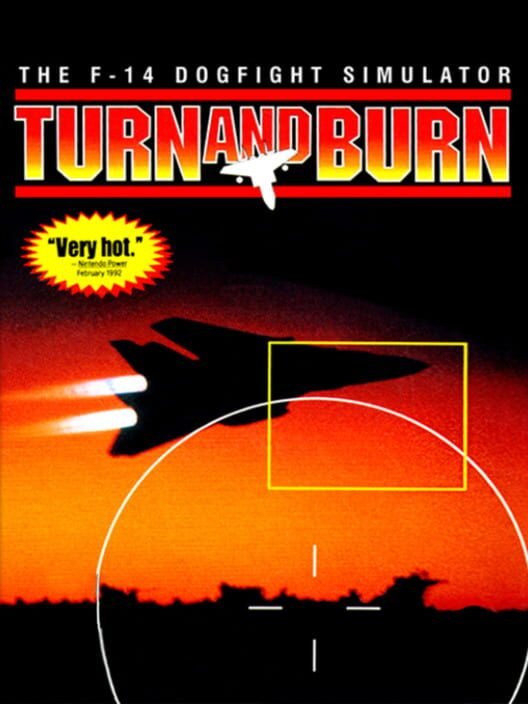
Quick answers
- Is it worth playing?
- A solid pick for simulation fans, though not a must-play (76 from critics).
- How long does it take?
- It has no fixed ending, so it takes as long as you want.
- Can I play it co-op?
- No, it is single-player only.
- What should I play next?
- Try Star Wars: X-Wing or Star Trek: Judgment Rites.
Similar games
Tap the eye on any cover for a quick look
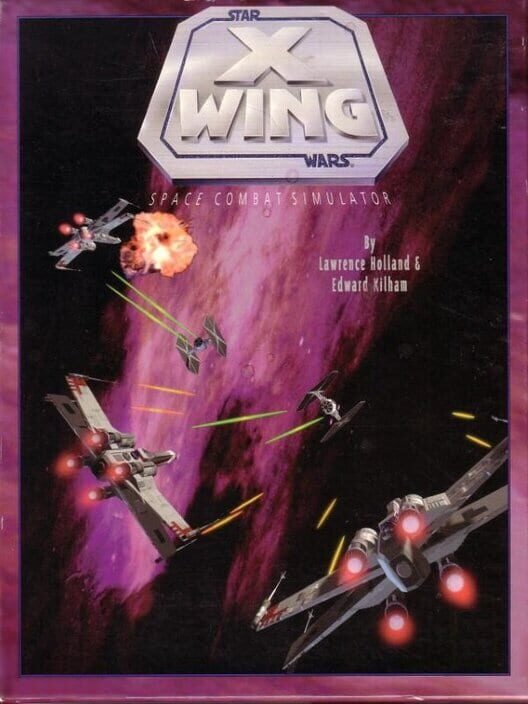
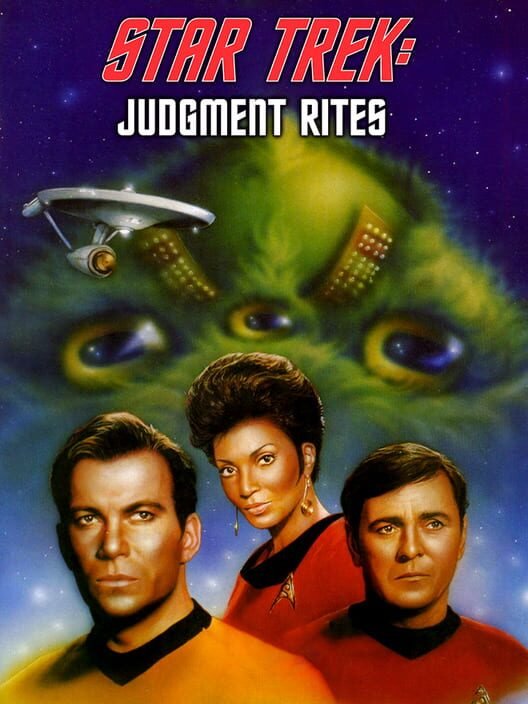
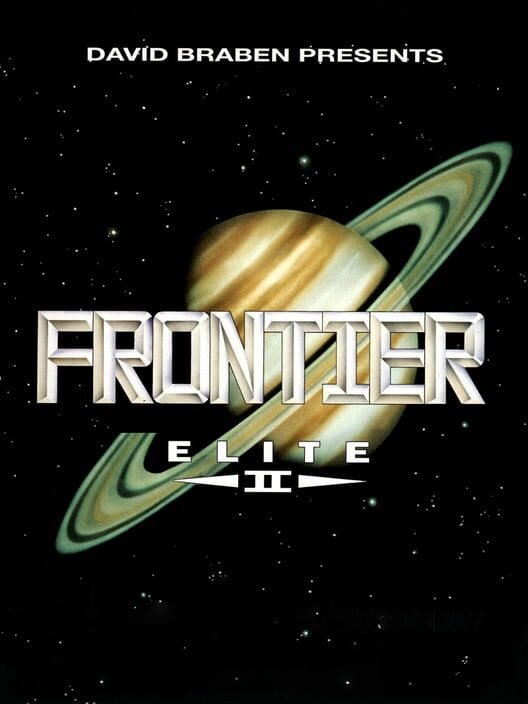
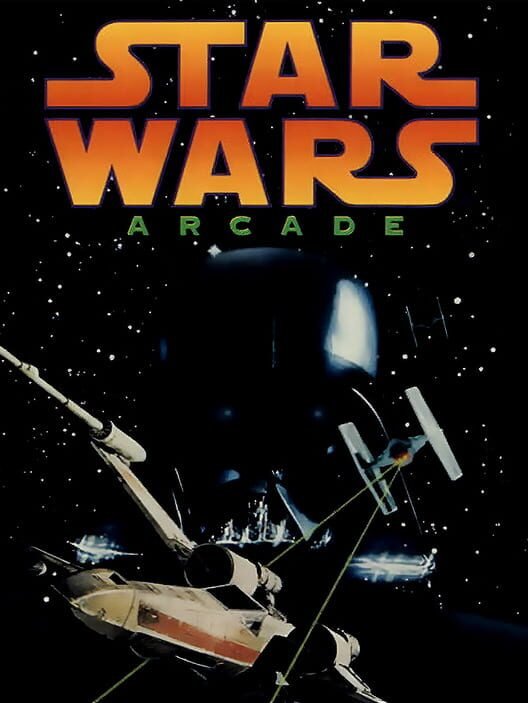
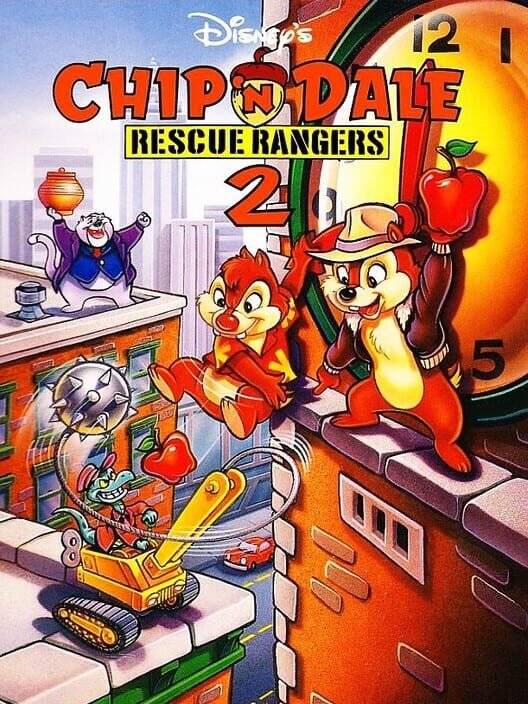
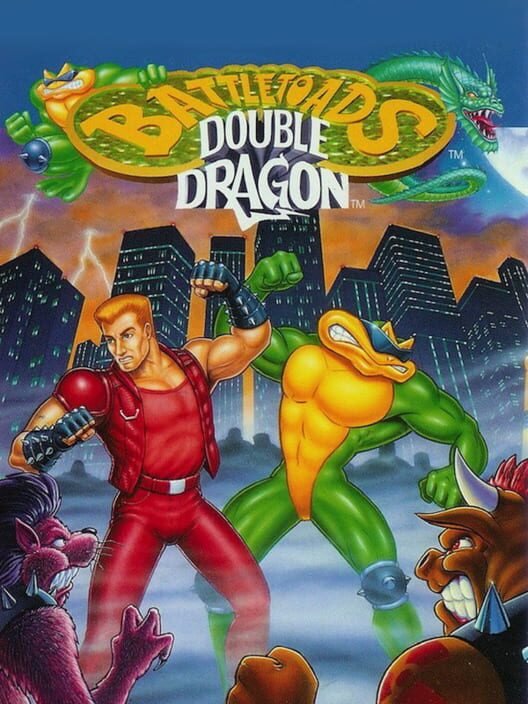
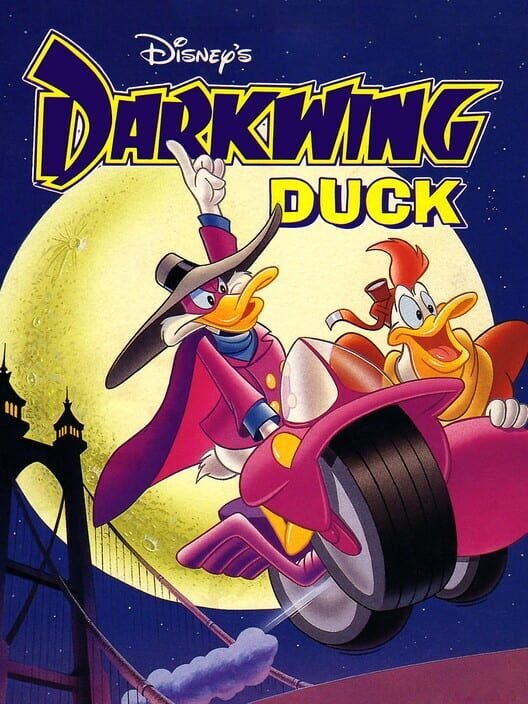
More NES games from 1992–1994
Same console, same years
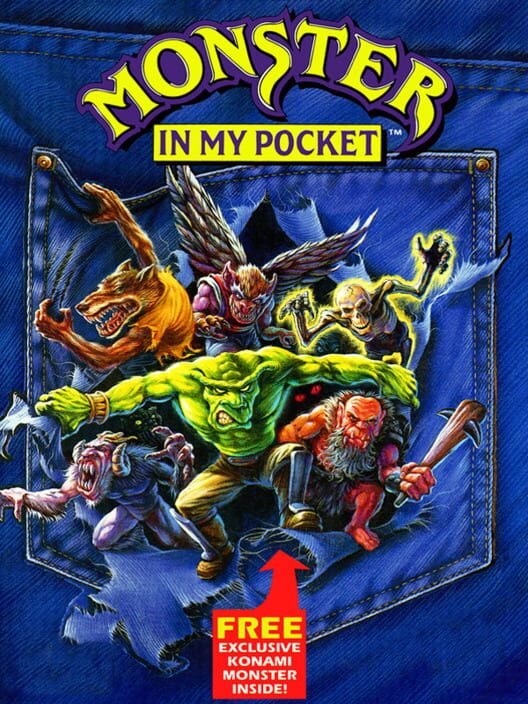
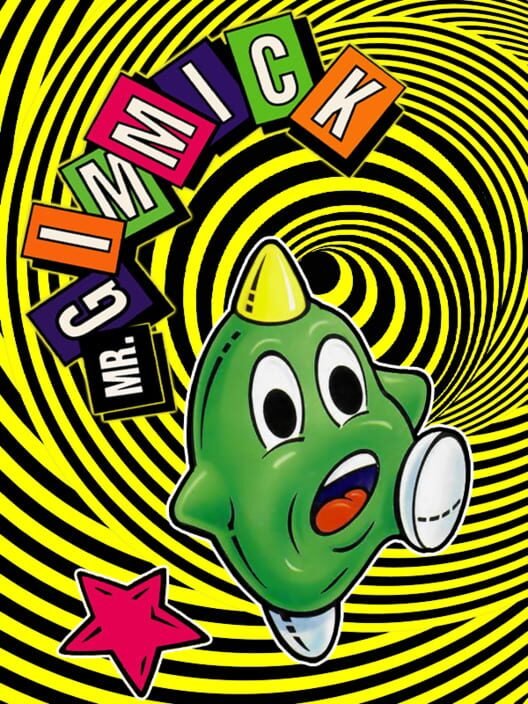
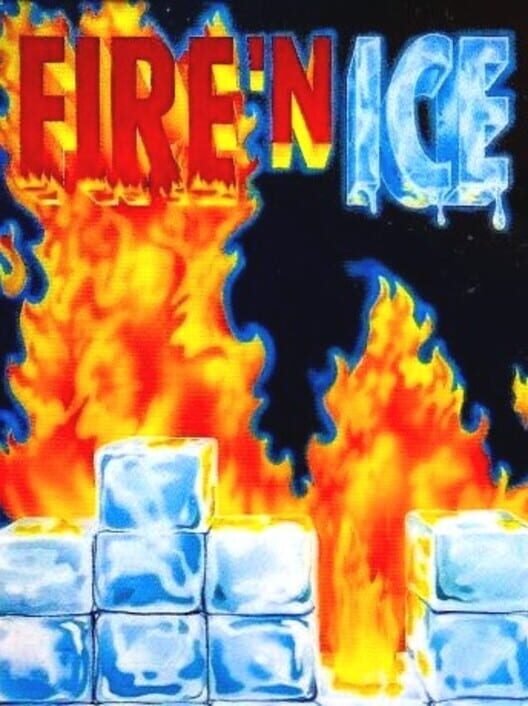
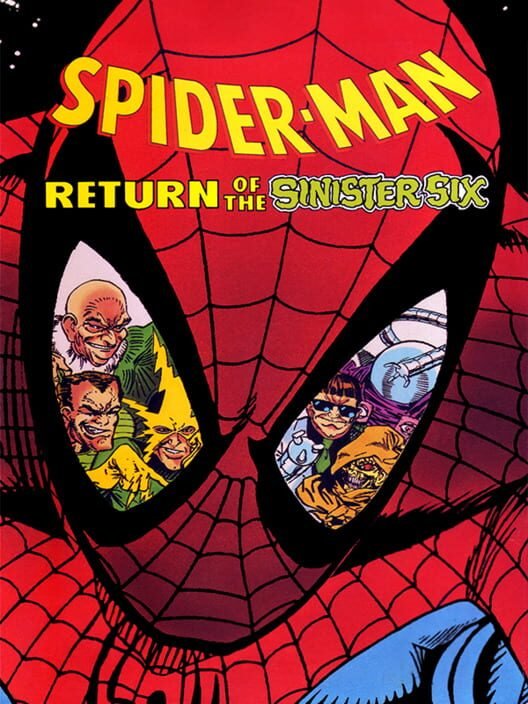
More about Star Trek: The Next Generation
Is Star Trek: The Next Generation worth playing?
It's a solid pick for simulation fans rather than a must-play: 76 from critics.
How long is Star Trek: The Next Generation?
Star Trek: The Next Generation has no fixed ending, so it lasts as long as you want.
What platforms is Star Trek: The Next Generation on?
NES.
Is Star Trek: The Next Generation multiplayer or co-op?
No, Star Trek: The Next Generation is single-player only.
What perspective is Star Trek: The Next Generation played from?
Star Trek: The Next Generation is played from a side-on (2D) view.
Who made Star Trek: The Next Generation, and when did it come out?
Star Trek: The Next Generation was made by Absolute Entertainment and published by Playtronic, released on 1 October 1993.
What genre is Star Trek: The Next Generation?
Star Trek: The Next Generation is a simulation and sci-fi game.
What console was Star Trek: The Next Generation originally released on?
Star Trek: The Next Generation first came out on the NES in October 1993, and later on the Game Gear (1994).
When did Star Trek: The Next Generation come out on each platform?
NES: 1 October 1993 and Game Gear: 31 December 1994. These are the earliest release dates in any region.
What format did Star Trek: The Next Generation come out on?
Star Trek: The Next Generation was released on cartridge.
What country is Star Trek: The Next Generation from?
Star Trek: The Next Generation was made in the United States.
What games are like Star Trek: The Next Generation?
Try Star Wars: X-Wing, Star Trek: Judgment Rites or Frontier: Elite II.